

In search of green investment trusts
David Prosser on how the new Sustainability Disclosure Requirements could be a force for good.

As demand for sustainability-related investments continues to grow, concerns are mounting about the potential for unscrupulous firms to mislead investors. This year will therefore see a spate of new regulations about how investment product providers and managers describe products and services that might be considered sustainable, or have some sort of environmental, social and governance (ESG) aspect to them.
Some of the new rules – collectively known as the Sustainable Disclosure Requirements (SDR) – are aimed at combatting greenwashing and will come into force later this month, but 31 July and 2 December are probably more significant dates for the investment trust sector. These are when new rules kick in on investment labels and on naming and marketing.
In practice, most investment trusts are covered by SDR. Non-UK investment companies, including a number of funds based in Guernsey, are the exception, but they are in the minority – and are likely to come within scope of SDR at some point in the future.
For the rest, the new regime should prove useful to advisers and investors who are interested in raising their exposure to funds with an ESG tilt. These funds will be entitled to apply for a sustainability label, providing a standardised assurance that they are working towards clear sustainability objectives (rather than just claiming that’s what they’re doing).
The bar for securing such a label is relatively high and funds don’t have to claim a label if they don’t want to. But while some may be put off by the additional reporting and disclosure requirements that apply to labelled funds, many will see the advantage of being able to signal their sustainability credentials very clearly to investors.
“While the main goal of new regulation is to bring clarity and honesty to sustainability investment, if it also helps to flag up interesting funds to consider in the investment trust sector, so much the better.”
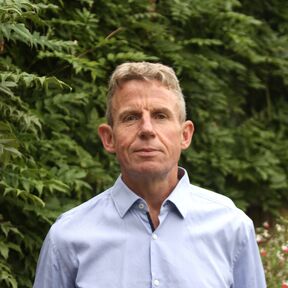
David Prosser
Indeed, this could be particularly useful in the investment trust industry. Unlike other parts of the collective world, it has largely avoided the headlong rush to launch funds with “sustainability” or “ESG” in the name. Investment trusts are listed companies in their own right, with clear responsibilities to shareholders, rather than products manufactured by fund managers; in that context, the industry tends to steer clear of marketing-led launches and the latest in-vogue fads.
Some analysts have criticised the sector for failing to cater to the needs of sustainability-focused investors. This feels a little unfair. There are actually a significant number of investment trusts that might be well suited to such investors; they just don’t happen to have sustainability in their names. Labelling, therefore, should make it easier to find these funds.
One obvious place to look is the Renewable Energy Infrastructure sector, where there are more than 20 funds currently offering exposure to assets and investments in solar, wind and hydro energy. It’s worth noting too that shares in the funds in this sector currently trade at an average discount to their underlying assets of almost 25%. There are various explanations for this very wide discount, but now could be an interesting moment to look for value opportunities.
Beyond Renewable Energy Infrastructure, the Environmental sector also includes several investment trusts to consider – and there is also a smattering of funds spread throughout the closed-ended funds universe with various social investment goals.
In other words, ESG- and sustainability-focused advisers and investors should not overlook the opportunities afforded by investment trusts. And while the main goal of new regulation is to bring clarity and honesty to sustainability investment, if it also helps to flag up interesting funds to consider in the investment trust sector, so much the better.

David Prosser
David is former Business Editor of The Independent, Personal Finance Editor of the Daily Express, and Deputy Editor of Money Observer magazine. He writes regularly for the AIC.


